
How to Build a Social Media Marketing Strategy That Brings Real Results
Many businesses post on social media without a plan. They post when they remember, copy what others do, and boost random posts. After a few months, they feel social media does not work. The real problem is not social media. It is the missing social media marketing strategy.
In this guide, RichSol's social media team shares a simple 10-step framework to build a strategy that brings real results. You can use it yourself, or let our experts build and run it for you.
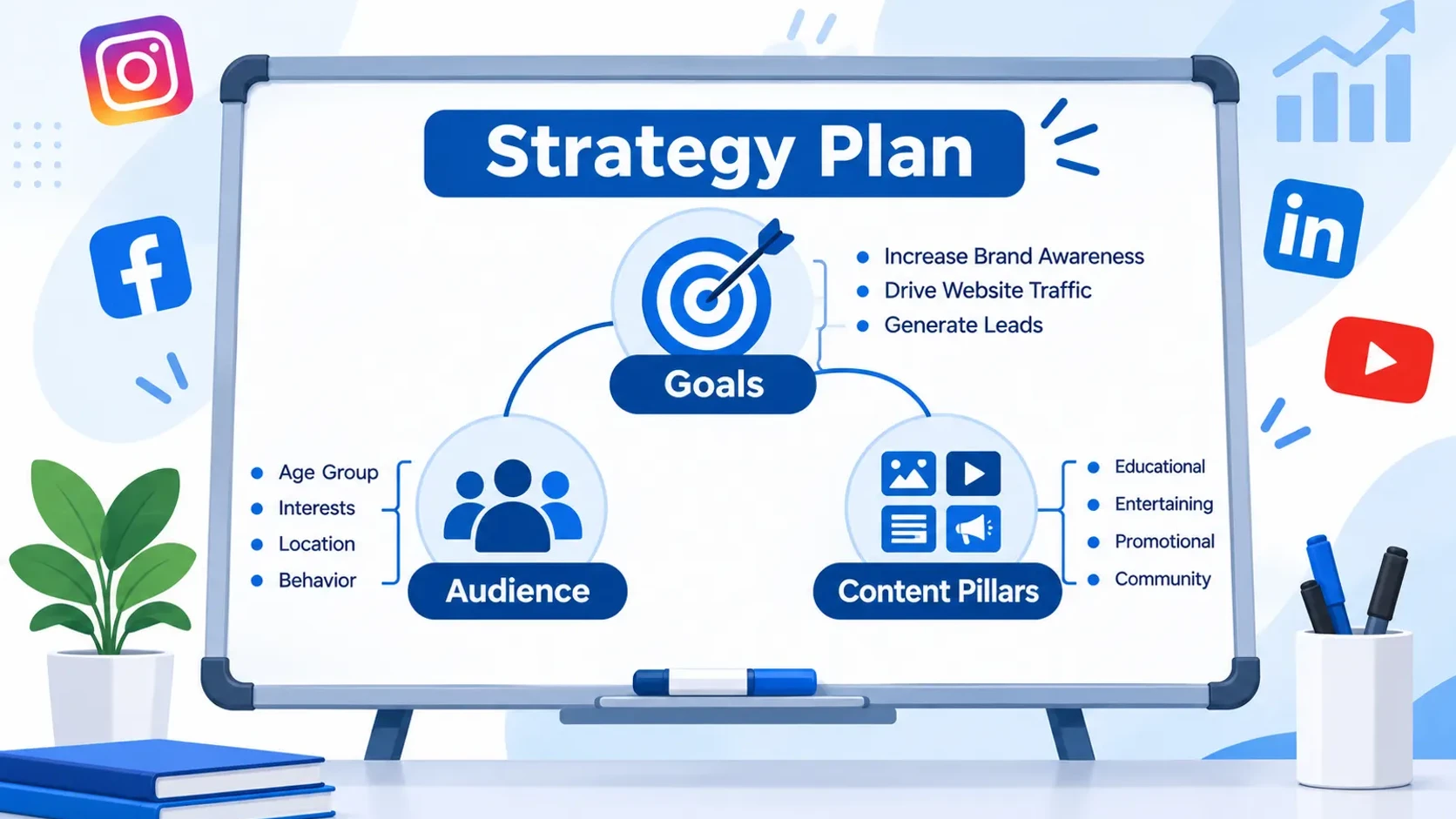
What Is a Social Media Marketing Strategy?
A social media marketing strategy is a clear plan that explains what you want to achieve on social media, who you want to reach, which platforms you will use, what content you will create, how you will promote it, and how you will measure success. It turns random posting into focused, goal-driven marketing.
Step-by-Step: How to Create a Social Media Marketing Strategy
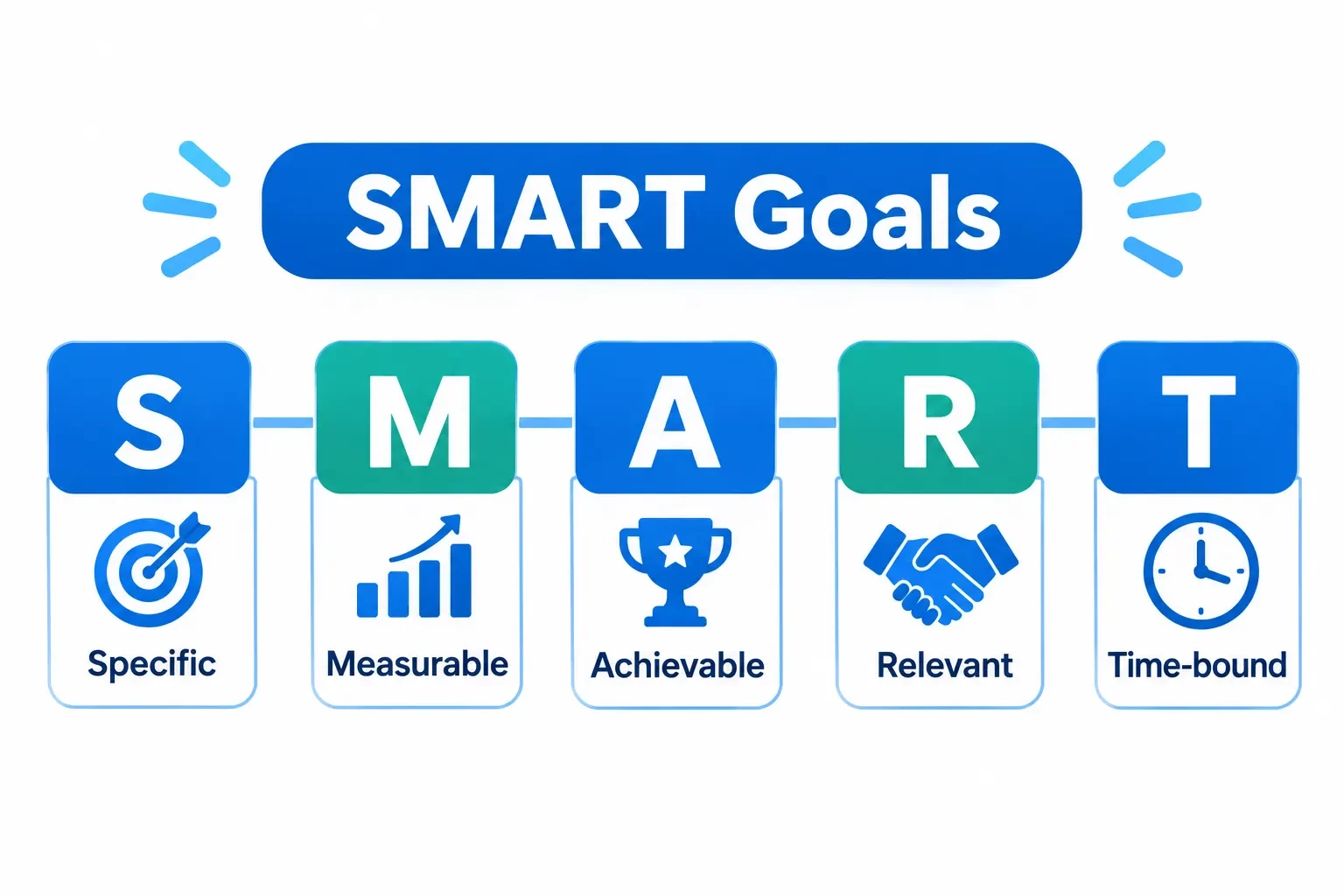
Set Clear SMART Goals
Make goals Specific, Measurable, Achievable, Relevant, and Time-bound. For example: 'Get 100 admission enquiries from Instagram and Facebook in the next 60 days,' not just 'grow on social media.'
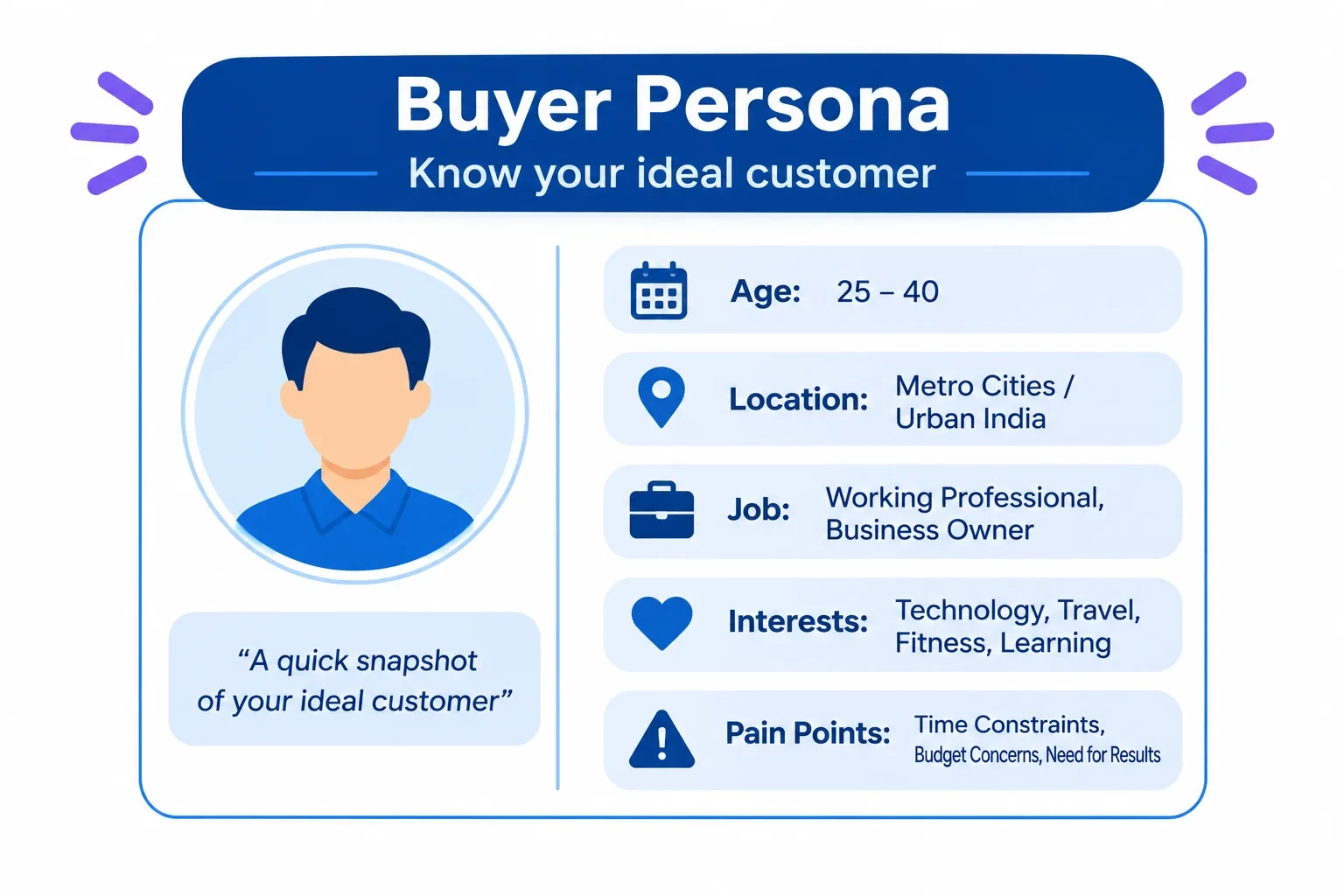
Understand Your Target Audience
Create simple buyer personas: age, location, job, interests, problems, and the questions they ask before buying. Use your customer data, sales team feedback, and platform insights.
Audit Your Current Social Media
Check which platforms you use, what content performed best, follower growth, engagement, and leads. Find what to keep, fix, or stop.
Study Your Competitors
Look at 3 to 5 competitors. Note their platforms, content types, posting frequency, ads, and customer comments. Find gaps you can fill better.
Choose the Right Platforms
Focus on 2 or 3 platforms where your audience is most active, instead of being average everywhere. For example, Instagram and Facebook for local consumers, LinkedIn for B2B, and YouTube for education and product demos.
Define Content Pillars
Build content around a few repeatable themes, keeping most of it helpful or engaging and a smaller share directly promotional, so your audience does not feel sold to all the time.
Plan Content Formats and Posting Frequency
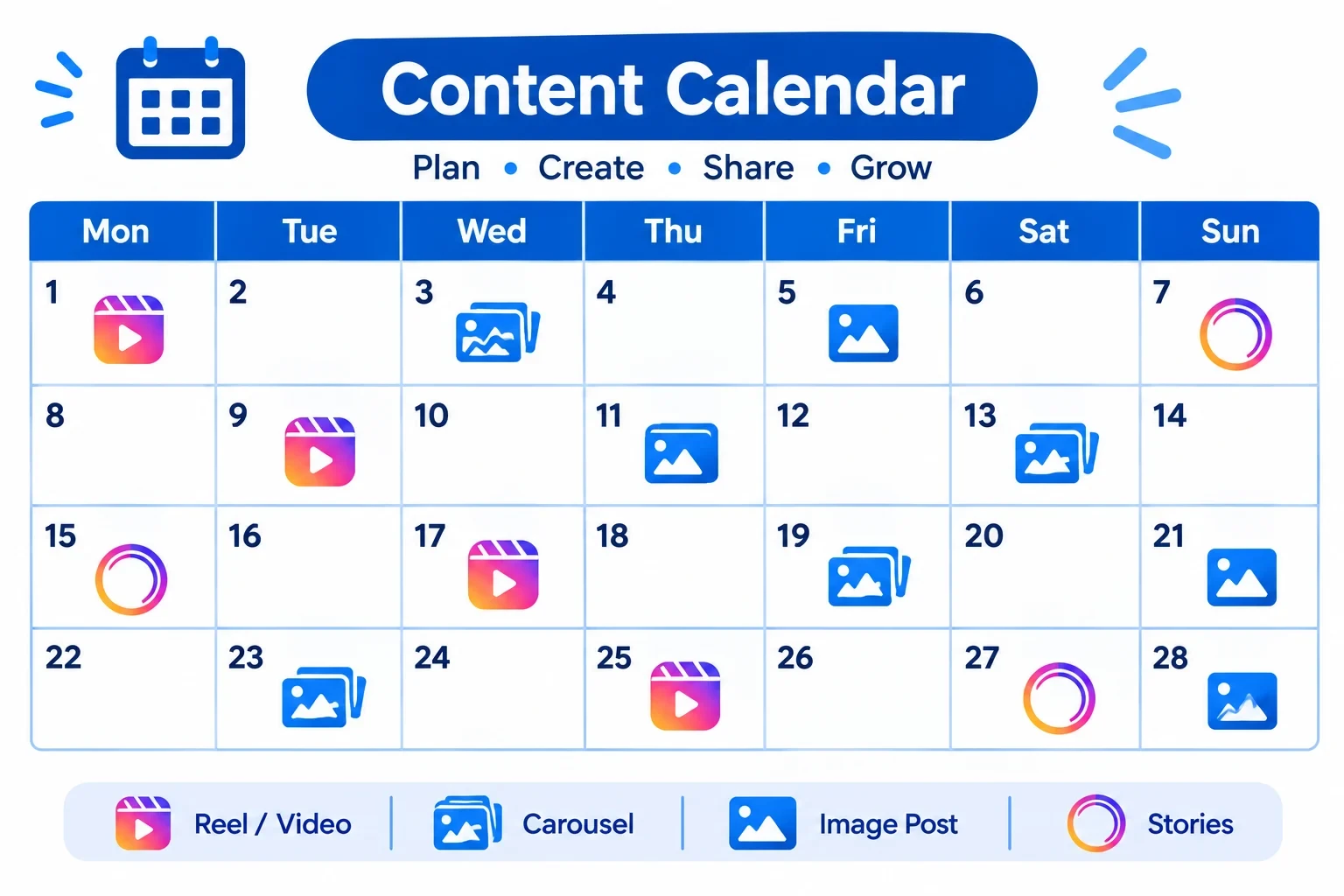
Mix reels, carousels, single images, stories, and live sessions. Choose a frequency you can maintain with quality, for example 3 to 5 posts a week plus regular stories. Consistency beats volume.
Create a Content Calendar
Plan content one month ahead, including Indian festivals, industry events, product launches, and offers. Assign who creates, approves, and posts each piece.
Add Paid Promotion
Use ads to amplify your best organic content, generate leads, and retarget warm audiences. Start with a small test budget, learn what works, then scale.
Measure, Learn, and Improve
Track the right KPIs every month, compare with your goals, and adjust content, platforms, and budget based on data.
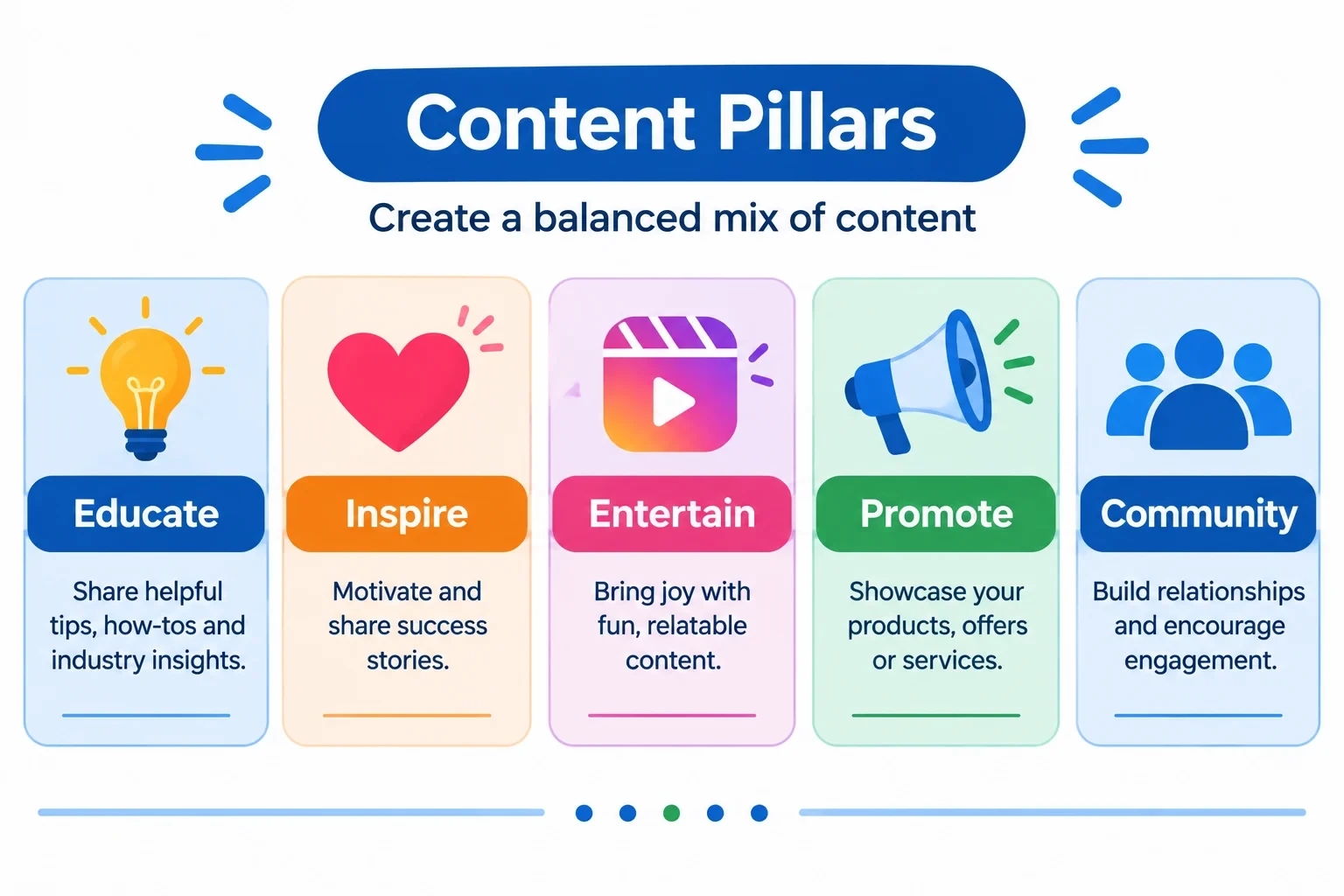
Content Pillars
| Content Pillar | Purpose | Example Content |
|---|---|---|
| Educate | Build trust and authority | Tips, how-to reels, FAQs, myths vs facts |
| Inspire | Build emotion and connection | Success stories, testimonials, transformations |
| Entertain | Increase reach and shares | Trends, relatable reels, behind the scenes |
| Promote | Drive leads and sales | Offers, launches, product demos, lead magnets |
| Community | Build loyalty | Customer features, polls, Q&A, user content |
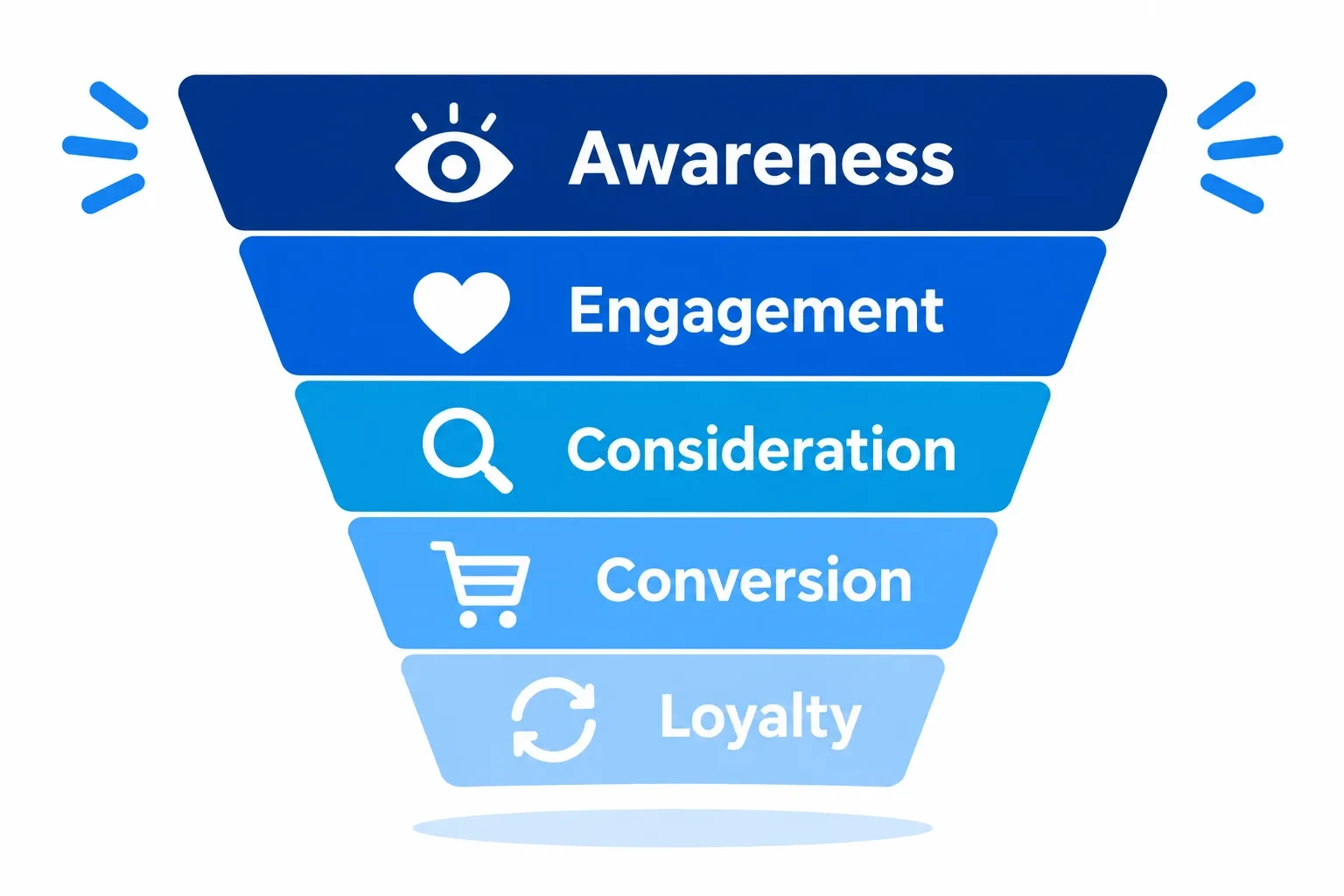
Social Media KPIs by Funnel Stage
| Funnel Stage | Goal | KPIs to Track |
|---|---|---|
| Awareness | Reach new people | Reach, impressions, video views, follower growth |
| Engagement | Build interest | Engagement rate, saves, shares, comments |
| Consideration | Drive action | Profile visits, link clicks, DMs, website visits |
| Conversion | Get leads and sales | Leads, cost per lead, conversion rate, ROAS |
| Loyalty | Repeat business | Repeat customers, reviews, user-generated content |
Sample 30-Day Social Media Plan (Local Business)
| Week | Focus | Content Plan |
|---|---|---|
| Week 1 | Introduce and educate | Brand story reel, 2 tips carousels, FAQ stories, team intro |
| Week 2 | Build trust | Customer testimonial video, before/after post, behind-the-scenes reel |
| Week 3 | Engage | Trend-based reel, poll and Q&A stories, myth vs fact carousel |
| Week 4 | Convert | Offer post, lead ad campaign, demo reel, retargeting ads |
Common Social Media Strategy Mistakes to Avoid
Posting without clear goals or a target audience
Trying to be on every platform at once
Only posting offers and promotions
Ignoring comments and messages
Not using video and reels
Boosting posts without targeting or tracking
Not checking results and changing the plan
Let RichSol Build Your Social Media Marketing Strategy
Building a strategy takes research, experience, and time. RichSol's strategy service gives you a complete, ready-to-execute plan made for your business.
Social media audit and competitor analysis
Audience personas and platform selection
Content pillars, formats, and brand voice guide
90-day content and campaign roadmap
Paid ads plan with budget recommendations
KPI dashboard and reporting setup
Optional execution by our social media marketing team
Ready to Build a Strategy That Works?
Want a social media strategy built for your business? Book a free strategy call with RichSol. Call +91 95959 02006.
Frequently Asked Questions
It is a plan that defines your social media goals, audience, platforms, content, promotion, and success metrics, so your efforts lead to real business results.
Set clear goals, understand your audience, pick 2 or 3 platforms, define content pillars, plan a monthly calendar, add a small ad budget, and track results every month.
It depends on the platform and your capacity. Many businesses do well with 3 to 5 quality posts per week plus regular stories. Consistency matters most.
Goals, target audience, competitor insights, platforms, content pillars, posting plan, content calendar, ad plan, KPIs, and reporting.
Paid campaigns can show results quickly, while organic growth usually takes 3 to 6 months of consistent work.
Yes. We build a custom strategy and can also execute it with our content, ads, and community management teams.